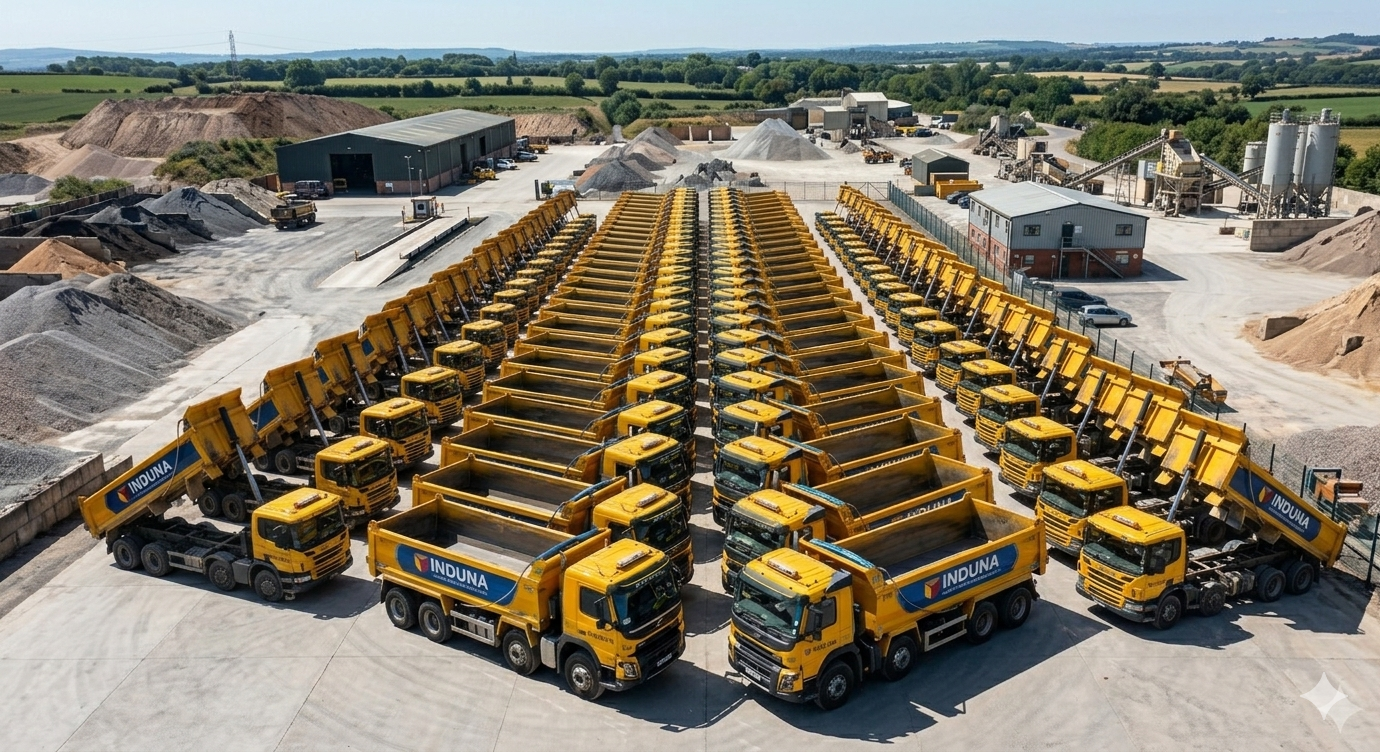
By the time the Gautrain earthworks phase hit full pace in the second half of 2007, every major civils site between OR Tambo and Hatfield needed tipper trucks — and a lot of them. The volumes of spoil, aggregate, and sub-base material moving through the programme each week were measured in tens of thousands of tonnes. How that haulage contract was awarded would shape the empowerment footprint of the entire build.
Induna Tippers was SPG's answer. Launched in October 2007 and structured as a dedicated vehicle inside the group, Induna placed black-owned tipper trucks into the civils programme not as rented-in subcontractors on monthly terms, but as long-run owner-operators earning against the full life of the haulage scope. The distinction matters: supplier development cycles off when the project ends. Ownership transfer doesn't.
A template, not a side project
The programme was deliberately small at launch — a cohort of owner-operators with a mix of existing operators scaling up and first-time owners stepping in with SPG's backing. Trucks were branded, insured, and maintained under a single operations umbrella, which kept utilisation high and downtime low. Pricing was benchmarked against prevailing market rates for the same class of work, so Induna operators earned what any competing haulier would have earned — but they owned the vehicles at the end of it.
The structure also made the empowerment credit real in the accounts. Because the trucks were owned by black individuals and not leased on balance sheet to a larger contractor, the spend flowed through as procurement from B-BBEE-compliant SMMEs — a line item the primary civils contractor needed anyway, but which in most programmes gets booked against anonymous labour-broking fees. Induna made it visible and auditable.
"Supplier development ends when the project ends. Ownership doesn't. That was the whole point of Induna — to leave something behind that the operators actually kept."
Running it
Operationally, Induna was managed from the Midrand depot precinct, with dispatch coordinated directly against the earthworks programme schedule. Drivers were employed by the individual owner-operators, not by Induna or SPG — another deliberate choice, because it kept the employment relationship and the labour skills inside the small businesses rather than pooling them into a central labour force that would have evaporated at handover.
Maintenance ran on a shared-services model: a central workshop handled servicing, parts procurement, and compliance inspections, cross-charged to owners at cost. This was the single biggest de-risking lever — first-time owner-operators typically lose their vehicles to poor maintenance discipline within eighteen months. Centralising the workshop while keeping ownership devolved meant operators got the scale advantage of a fleet without losing the ownership they'd come in for.
What came out of it
When the earthworks phase wrapped and the programme transitioned to tunnelling and station works, the Induna fleet moved with it — first onto station-site haulage, then onto secondary spoil runs and finally into the broader Gauteng civils market as the Gautrain build wound down. Several of the original operators have since grown fleets independent of SPG; a handful continue to take work from SPG Construction on subsequent projects.
More importantly, Induna became a template. The same ownership-first structure has reappeared in how SPG has approached cleaning and security subcontracting through Isithimela Facilities, and in how the group has staffed up on rail telecoms through Optinet. The mechanics are different each time; the underlying conviction — that economic participation means ownership, not just employment — is the same.
Why it still matters
The Gautrain concession is approaching its 2026 termination. The earthworks phase Induna was built around is now almost two decades in the rear-view mirror. But the reason we still tell this story on our corporate website is simple: Induna Tippers is the shortest, clearest answer we have to the question, "what does empowerment actually mean in practice?" It's a small project. It moved spoil. And the owners kept the trucks.